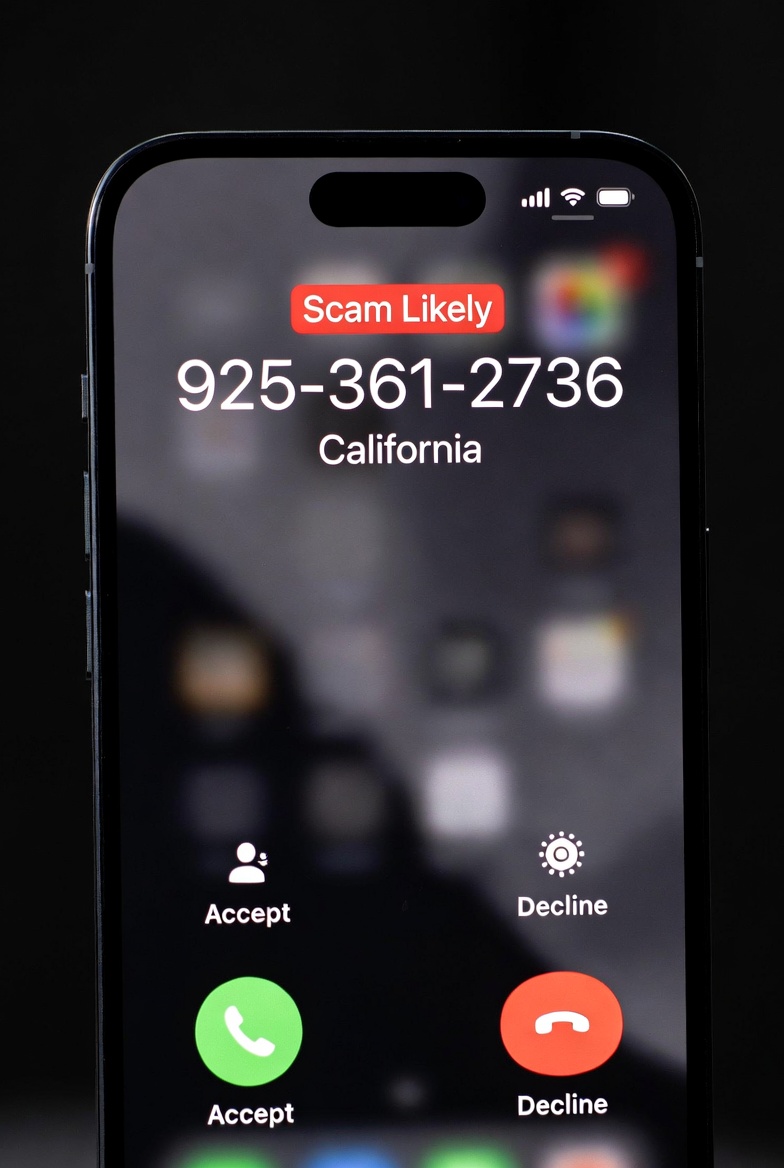
Picture this: It’s a quiet Tuesday evening in your suburban kitchen. You’re stirring pasta, the kids are arguing over whose turn it is to set the table, and your phone lights up with a call from 925-361-2736. “Local number,” you think. Maybe it’s the school, the mechanic, or that friend who just switched carriers. You answer… and hear nothing but dead air. Or worse, a robotic voice launches into a pitch about your car warranty expiring. Sound familiar? If you’ve seen this number pop up lately, you’re far from alone.
This 925 area code caller has been lighting up phones from California to New York and everywhere in between. It’s become a hot topic in online forums, complaint boards, and neighborhood group chats. Americans are fed up, and with good reason. In a world where robocalls outnumber actual conversations some days, this particular number feels like the unwanted guest who keeps showing up uninvited.
Let’s break it down like your tech-savvy neighbor would over coffee – no jargon, just straight talk, with a side of “how do we make this stop?”
What’s the Deal with the 925 Area Code?
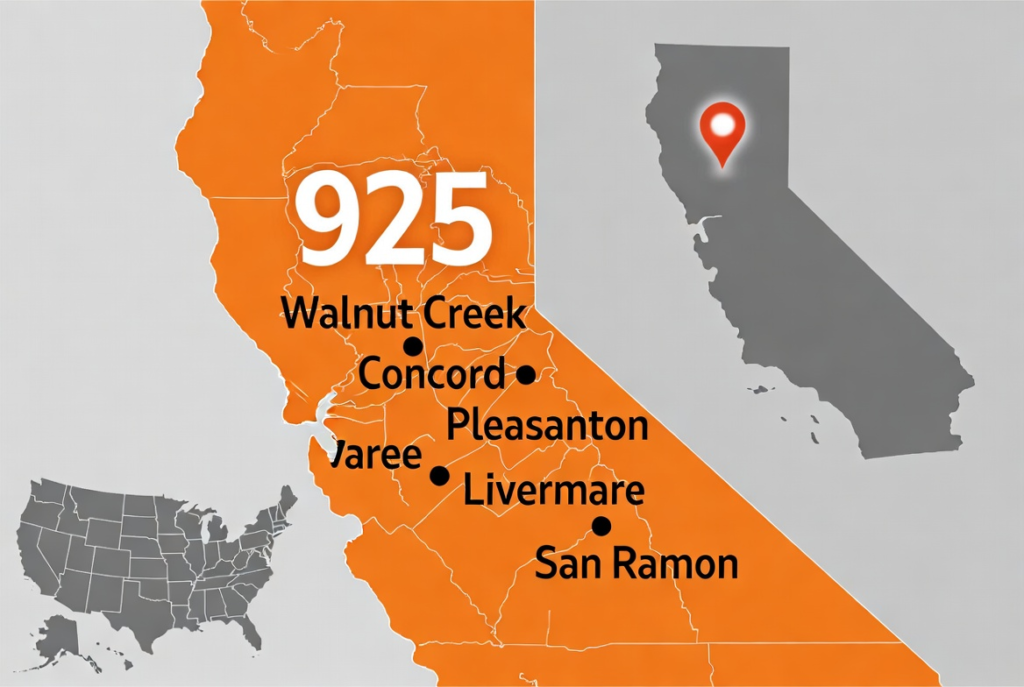
The 925 prefix covers the East Bay suburbs of Northern California – places like Walnut Creek, Concord, Pleasanton, and Livermore. It’s the kind of area code that screams “reliable Bay Area local.” Split off from the old 510 code decades ago, it now serves tech workers commuting to San Francisco, growing families, and plenty of legit small businesses. When 925-361-2736 flashes on your screen, it feels trustworthy. That’s exactly why scammers love it.
Modern phone tech makes spoofing effortless. Robocallers can make any number appear on your caller ID using cheap VoIP services. The actual call might be coming from a warehouse in Florida, a call center overseas, or even right here in the U.S. The carrier behind the 925-361 prefix is Teleport Communications Group (tied to T-Mobile infrastructure in San Ramon), but that doesn’t mean the person (or robot) dialing you is sitting in a California office.
Reverse lookups on Whitepages, Truecaller, or similar sites usually return “unknown” or “unavailable.” No company name. No registered owner. Just radio silence. That’s the first red flag.
Why Is This Number Suddenly Everywhere?
Reports have exploded in recent months. People describe the same frustrating pattern: short rings, no voicemail, or an immediate hang-up. Answer it, and you might get silence, a quick “hello?” test, or a slick sales script about fake IRS refunds, extended warranties, health plans, or crypto “opportunities.” It’s classic robocall behavior.
America is swimming in these calls. The FTC and robocall trackers logged billions last year alone. Scammers target local-looking numbers because we’re wired to pick up – it feels personal, not suspicious like an 800 number. Add in the fact that dinner hour or early morning calls catch us off-guard, and boom – engagement rates skyrocket.
It’s not always aggressive. Sometimes it’s just annoying persistence. But every answered call tells the operation your number is live and worth selling to other spammers. That’s how one nuisance turns into a daily flood.
The Real Risks – And Why You Should Care
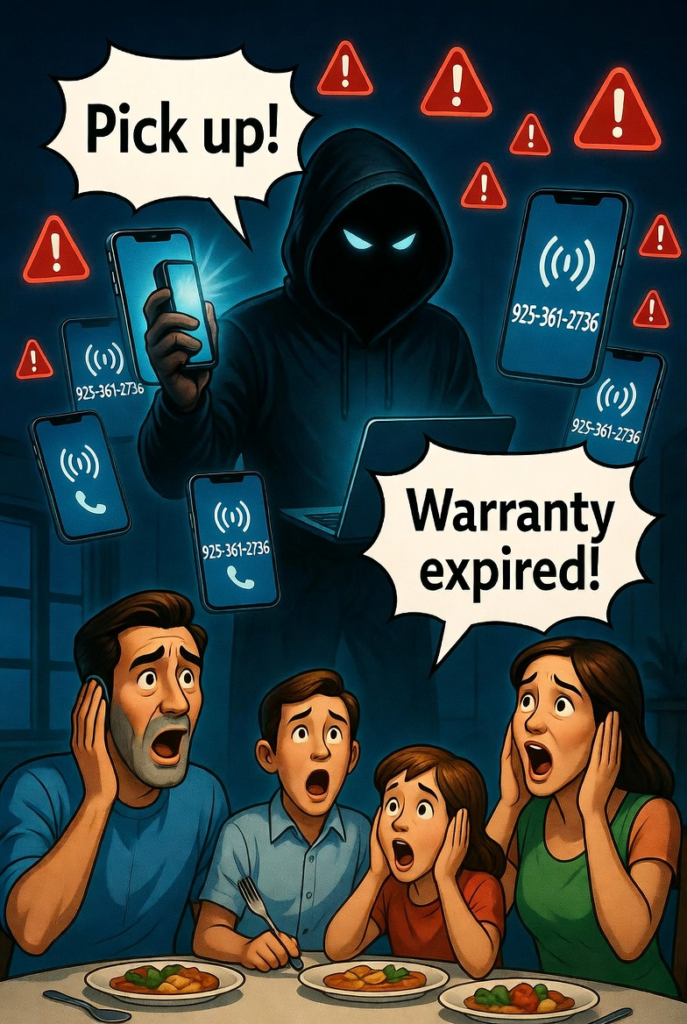
Answering might feel harmless, but it’s like confirming your email to a sketchy newsletter. Scammers add you to “live” lists sold on the dark web. Next thing you know, similar 925 numbers (or ones from your own area code) start blowing up your phone. Some reports mention pushy requests for personal info – Social Security numbers, bank details, credit cards. Never give that out over an unsolicited call.
Calling back can be even worse. Premium-rate traps or follow-up phishing attempts have cost Americans billions. The FTC’s 2025 numbers show phone scams hitting record highs, especially targeting seniors and busy families. Even if today’s call is just a test, tomorrow’s could be the one that sounds too good to ignore.
How to Shut It Down for Good (And Protect Yourself from the Next One)
Here’s the good news: You’re not powerless. Here’s your battle plan:
- Don’t Pick Up – Let it roll to voicemail. Real people leave messages. Robots rarely do.
- Block It Instantly – iPhone users: tap the info icon and hit “Block this Caller.” Android fans: use your Phone app or grab a free app like Hiya. Done.
- Report Like a Pro – Text the number to 7726 (SPAM) on your carrier. File complaints at ReportFraud.ftc.gov, FCC.gov/complaints, and your state AG’s office. Numbers add up fast.
- National Do Not Call Registry – If you haven’t signed up at DoNotCall.gov, do it now. It won’t stop every spoofed call, but it slashes legal telemarketing.
- Arm Yourself with Apps – Nomorobo, Truecaller, or your carrier’s free scam shield (AT&T ActiveArmor, Verizon Call Filter, T-Mobile Scam Shield) use real-time crowdsourced data to flag trouble before it rings.
- Turn On STIR/SHAKEN – This fancy anti-spoofing tech is rolling out nationwide. Check your settings – it verifies the number isn’t fake.
Bonus tip: Teach the family the “unknown = ignore” rule. It cuts down on those panicked “Who was that?!” moments.
What If It’s Not a Scam? (The Tiny Chance)
Look, there’s always a microscopic possibility it’s a wrong number, a glitchy survey, or some poorly managed local business. But with zero public footprint, hundreds of matching complaints, and classic robocall behavior, the odds are stacked against it being legit. In 2026, the safest bet is treating every mystery call like it owes you money – and collecting by blocking it.
Wrapping It Up: Take Back Your Phone
The 925-361-2736 saga is just one chapter in the never-ending American robocall saga. It preys on our politeness and our hope that it might be important. But you deserve peace during dinner, focus at work, and zero stress from your pocket buzzing.
Stay skeptical, stay protected, and keep sharing these stories. The more we talk about numbers like this, the harder it gets for the scammers. Block 925-361-2736 today if it’s been haunting you. Then treat every unknown caller the same way – with healthy suspicion and the right tools.
Your phone should serve you, not the other way around. And if another weird 925 number pops up tomorrow? You already know the drill. Stay safe out there, America – and happy (spam-free) ringing!