
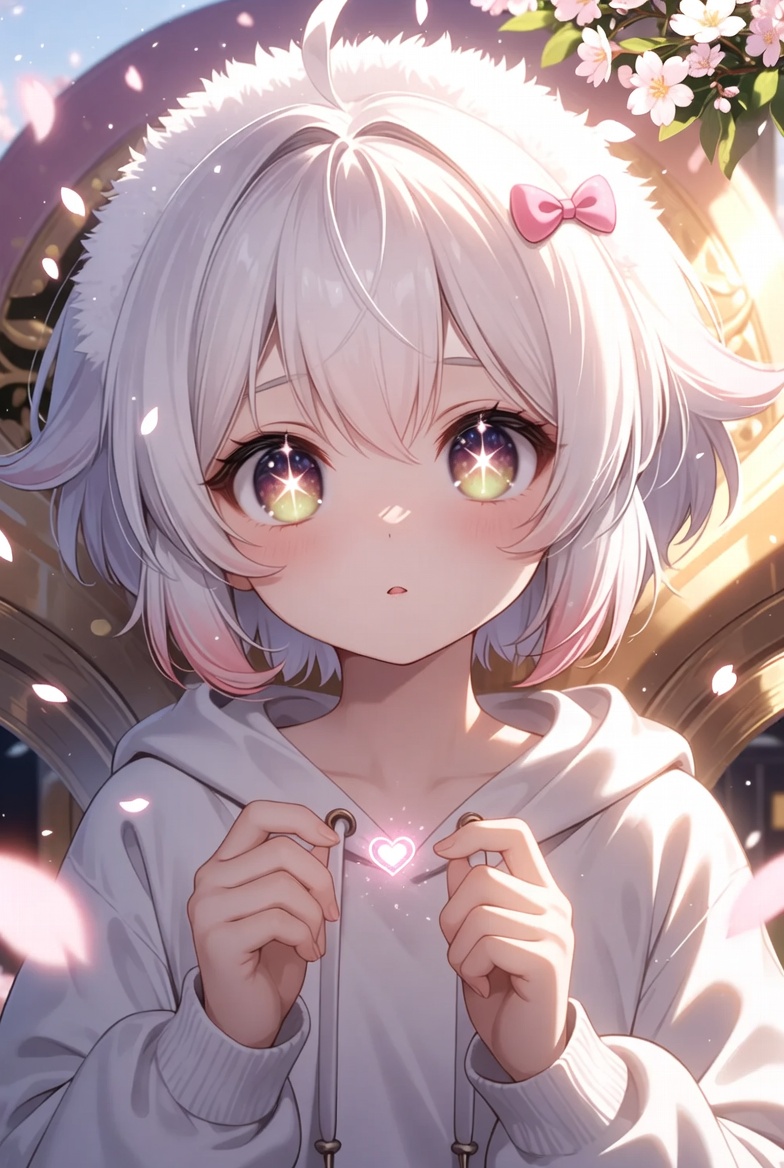
In the fast-moving world of 2026 digital art, where AI tools spit out images in seconds and social feeds overflow with polished perfection, something softer, sweeter, and deeply human is breaking through. It’s called Doujen Moe – a vibrant subculture that blends the independent spirit of Japanese “doujin” (self-published fan works) with the irresistible “moe” aesthetic of cute, innocent, and emotionally touching characters. For American audiences tired of hyper-realistic graphics and burnout culture, Doujen Moe feels like a warm hug: a celebration of vulnerability, nostalgia, and joyful creativity that’s quietly reshaping how we make and consume art online.
Doujen Moe isn’t just another fleeting TikTok trend. It’s a full-blown creative movement that’s exploding across Patreon, Instagram, Etsy, and indie comic platforms. For U.S. creators and fans navigating economic uncertainty and mental health conversations, it offers something rare: permission to create purely for joy, connection, and emotional comfort.
What Exactly Is Doujen Moe?
At its core, Doujen Moe is the beautiful collision of two Japanese concepts. “Doujin” (or doujinshi) means self-published works made by fans or small circles outside mainstream publishing – think handmade manga, art books, short stories, or digital comics created purely out of love. “Moe” is that special feeling of affection, warmth, and protective tenderness you get from innocent, charming characters who feel vulnerable yet endearing.
Put them together and you get Doujen Moe: fan-made art, comics, animations, and stories that prioritize soft emotions, cute character design, and heartfelt storytelling. It’s less about epic battles or dark plots and more about quiet moments – a character blushing over warm tea, sharing a secret with a friend, or simply existing in a cozy, comforting world. In 2026, this style has evolved far beyond Japan, influencing everything from Western webtoons to AI-assisted fan art on Midjourney and Grok Imagine.
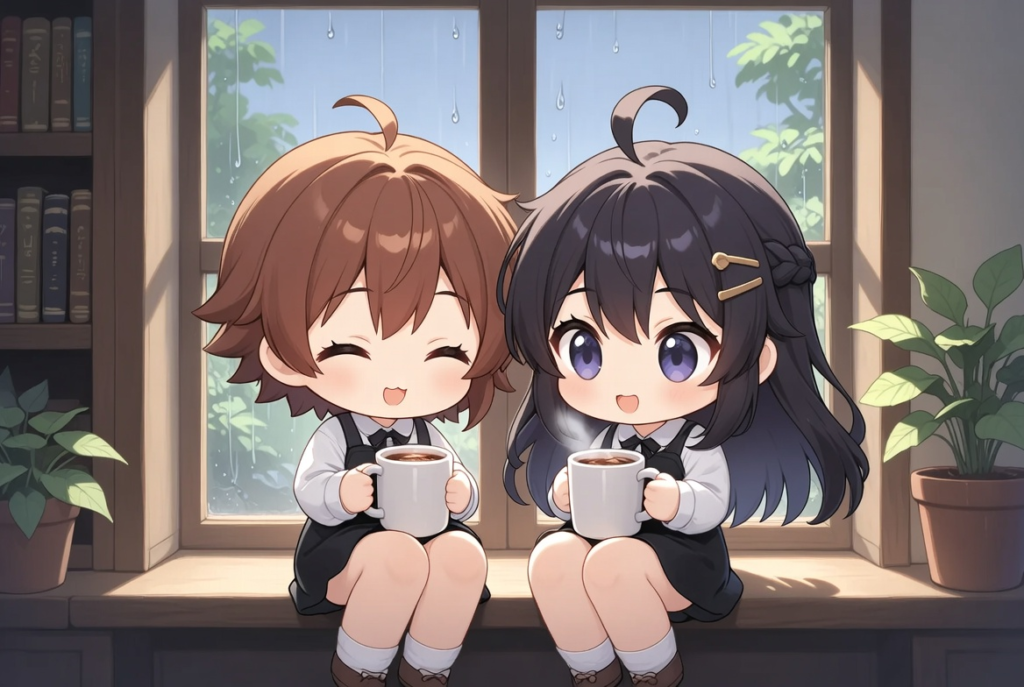
Heartwarming Doujen Moe illustration capturing emotional connection and cozy vibes that define the movement.
Origins: From Japanese Doujinshi Circles to Global Digital Phenomenon
The roots go back decades to Japan’s doujinshi culture – those passionate fan creators who sold handmade comics at Comiket (the world’s biggest doujin event). But “moe” added the emotional magic in the early 2000s, when anime fans began celebrating characters that triggered that special “awww” feeling.
By 2025-2026, social media and creator tools supercharged it. Platforms like Pixiv, Twitter/X, and Discord let artists share instantly. American fans, already obsessed with anime through Crunchyroll and Netflix, started creating their own Doujen Moe works. What began as niche fan art in 2023 exploded into a full subculture by 2026, with dedicated hashtags, monthly challenges, and even physical zine drops at U.S. conventions like FanimeCon’s new Manga Ichiba event.
Unlike mainstream Marvel or Disney content that often feels corporate and polished, Doujen Moe stays raw, personal, and community-driven. No big studio approval needed – just passion and a tablet.
Why Doujen Moe Resonates So Deeply with American Audiences in 2026
In a divided, high-stress America, where news cycles are heavy and social media can feel toxic, Doujen Moe offers emotional escape and connection. Its characters aren’t flawless superheroes; they’re relatable – shy, kind, a little clumsy, full of quiet strength. For Gen Z and millennial creators dealing with burnout, anxiety, and the gig economy, drawing or reading Doujen Moe feels therapeutic.
It’s also a smart business move. In 2026, the creator economy is booming, and Doujen Moe artists are thriving on Patreon (monthly “moe bundles”), Etsy print sales, and Gumroad digital packs. Many U.S.-based Doujen Moe creators report earning full-time incomes by blending cute aesthetics with personal stories – everything from mental health representation to queer joy to immigrant family warmth.
The aesthetic is incredibly versatile: soft pastel palettes, big sparkling eyes, fluffy hair, oversized clothing, and gentle negative space that invites viewers to project their own feelings. It’s the visual equivalent of a comfort blanket.
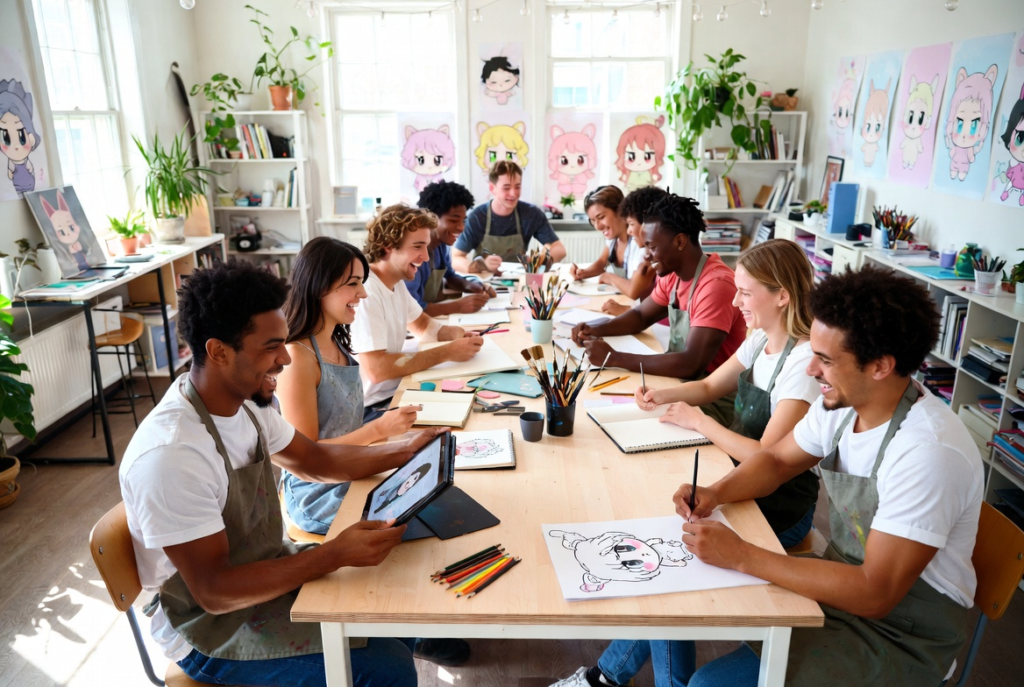
American creators collaborating on Doujen Moe art in a 2026 studio setting, showing the growing community in the U.S.
The Digital Boom: How Technology Is Fueling Doujen Moe in 2026
2026 has been a breakthrough year thanks to accessible tools. AI image generators (with proper prompting) help artists quickly sketch “moe base” poses, then they add their personal hand-drawn touch. Digital platforms like Webtoon and Tapas now have dedicated Doujen Moe sections, while Discord servers host weekly “Moe Monday” art shares.
At conventions, Doujen Moe tables are the busiest – fans line up for limited-edition prints and artist alley meetups. Even big brands are noticing: some fashion collabs and indie game studios are incorporating Doujen Moe-inspired character designs for their softer, more emotionally driven titles.
This isn’t mindless cuteness either. Many creators use the style to explore deeper themes – gentle representation of neurodivergence, cultural fusion, or healing from trauma – all wrapped in that warm, approachable moe package.
Challenges and the Road Ahead
Of course, no movement is without hurdles. Copyright questions around fan works still exist (though fair-use communities are strong). Some critics call it “too soft” or escapist, but fans push back: in hard times, softness is radical self-care.
Looking forward, 2026-2027 predictions show Doujen Moe going even bigger – more hybrid physical/digital zines, VR cozy worlds, and mainstream anime studios experimenting with moe-infused original series. For U.S. artists, it’s a low-barrier entry into professional creativity: start with a simple cute character, build a community, and grow.
Why Doujen Moe Matters Right Now
In 2026 America, where everything feels loud and urgent, Doujen Moe reminds us that art can also be gentle, kind, and healing. It’s not about going viral with shock value – it’s about creating something that makes someone smile, feel seen, or remember they’re not alone.
Whether you’re a longtime anime fan in California, a curious college student in New York, or a busy parent in Texas looking for wholesome content for your kids, Doujen Moe welcomes everyone. It proves that the most powerful creativity often comes from the heart, not the algorithm.
So next time you scroll past a soft-eyed character with a gentle smile and feel that little tug of warmth in your chest – that’s Doujen Moe working its magic. In a world that sometimes feels cold, this little subculture is quietly reminding us how good it feels to care.