
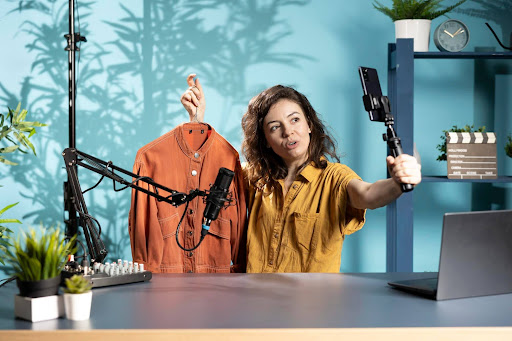
TikTok and Instagram Reels have completely changed how content is created and consumed. Short-form videos now dominate social media, pushing creators to produce content faster, more consistently, and with higher engagement potential. However, keeping up with this demand can be challenging, especially when traditional video production requires time and effort.
This is where image-to-video AI fits naturally into the ecosystem. By turning static images into engaging videos, it aligns perfectly with the fast-paced, trend-driven nature of TikTok and Reels. Understanding why this technology works so well with these platforms can help creators and brands stay competitive.
Why do TikTok and Reels prioritize short-form video?
Short-form video keeps users engaged for longer periods, which is why platforms prioritize it in their algorithms.
According to DataReportal’s 2024 Global Digital Report, users spend an average of 95 minutes per day watching short-form videos. TikTok, in particular, is designed around quick, engaging clips that capture attention within seconds. This makes video the most effective format for reaching large audiences.
What makes content perform well on TikTok and Reels?
Content performance on these platforms depends on attention, engagement, and completion rate. Videos need to capture interest quickly.
TikTok reports that videos under 30 seconds achieve up to 25 percent higher completion rates. This means creators must focus on fast, visually engaging content. Static posts struggle to compete because they lack motion and immediate impact.
How does image-to-video AI match platform requirements?
Image-to-video AI creates motion-based content quickly, which aligns perfectly with platform expectations. It transforms static visuals into dynamic videos.
Instead of spending hours filming and editing, creators can generate videos in minutes. This allows them to keep up with the demand for frequent posting while maintaining visual appeal. The ability to add motion instantly makes content more engaging.
Why is speed critical for TikTok and Reels success?
Speed determines whether content stays relevant. Trends on TikTok and Reels can rise and fall within days.
A 2024 Hootsuite analysis found that content published within 48 hours of a trend’s emergence performs significantly better. Image-to-video AI allows creators to respond quickly, ensuring their content remains timely and competitive.
How does image-to-video AI support trend participation?
Trends are a major driver of engagement on TikTok and Reels. Participating in trends increases visibility and reach.
Image-to-video AI makes it easier to adapt to trends by allowing creators to quickly generate content using existing images. Instead of creating new videos from scratch, they can produce trend-based content in minutes, increasing their chances of going viral.
Where does image-to-video AI fit into the content workflow?
Image-to-video AI acts as a bridge between idea generation and publishing. It simplifies the process of turning ideas into content.
In the middle of many workflows, tools like image to video AI by Viggle AI help convert static visuals into short, engaging videos optimized for TikTok and Reels. This integration allows creators to produce content quickly without relying on complex editing tools.
What types of content work best with this approach?
Certain content formats perform especially well on TikTok and Reels because they rely on motion and creativity rather than production complexity.
Examples include memes, reaction videos, educational snippets, product highlights, and storytelling clips. According to Later.com analytics, motion-based content receives up to 34 percent more shares than static posts. Image-to-video AI enhances these formats by adding visual movement.
How does image-to-video AI improve consistency?
Consistency is key to growth on TikTok and Reels. Posting frequently increases visibility and audience engagement.
Hootsuite’s 2024 benchmark report shows that creators who post multiple times per week see better performance. Image-to-video AI reduces production time, making it easier to maintain a consistent posting schedule without burnout.
How does this technology benefit new creators?
New creators often struggle with limited resources and experience. Image-to-video AI lowers the barrier to entry.
Instead of learning complex editing tools or investing in equipment, beginners can create engaging videos using simple inputs. This allows them to focus on creativity and audience engagement rather than technical skills.
What are the limitations of using image-to-video AI?
While image-to-video AI is effective, it is not suitable for every type of content. Certain limitations should be considered.
Long-form storytelling and highly detailed videos may still require traditional production methods. Additionally, overusing similar styles can make content feel repetitive. Creators need to balance speed with originality.
Does image-to-video AI replace creativity?
Creativity remains the most important factor in content success. AI tools enhance creativity but do not replace it.
The ability to generate motion quickly does not guarantee engagement. Creators must still focus on storytelling, humor, and audience relevance. Image-to-video AI simply provides a faster way to execute ideas.
What does the future of TikTok and Reels content look like?
The future of short-form content will be faster, more dynamic, and more data-driven. AI tools will play a central role in this evolution.
Industry forecasts suggest that by 2027, over 80 percent of social video content will involve AI assistance. As tools improve, creators will be able to produce content in real time, adapting quickly to trends and audience preferences.
Conclusion
Image-to-video AI fits perfectly with TikTok and Reels because it aligns with the platforms’ core requirements: speed, engagement, and consistency. By transforming static images into dynamic videos, it allows creators to produce content faster and participate in trends more effectively.
For creators and businesses, this technology offers a practical way to stay competitive in a fast-moving environment. As short-form video continues to dominate social media, image-to-video AI will become an essential tool for creating engaging and scalable content strategies.