Air travel disruptions can occur unexpectedly, and when they do, passengers and aviation enthusiasts quickly search for details. Recently, reports about United Flight UA967 diverted have gained attention online, with many travelers asking what happened, why the flight changed course, and whether passengers were safe.
Flight diversions are not uncommon in aviation, but they often generate concern because travelers want to understand the circumstances behind the decision. In this article, we’ll explain why United Flight UA967 was diverted, what typically causes flight diversions, how airlines handle these situations, and what passengers experienced during the incident.
Overview of United Flight UA967
United Flight UA967 is an international flight operated by United Airlines, typically serving long-distance routes between major international destinations. Flights like UA967 operate with large commercial aircraft designed for long-haul travel and carry hundreds of passengers.
Long-haul flights often cross multiple countries and time zones, which means they must carefully monitor weather conditions, technical systems, and air traffic throughout the journey.
When news spread that United Flight UA967 diverted from its original route, many passengers and observers wanted to know what triggered the unexpected change.
Why United Flight UA967 Was Diverted
When a flight is diverted, it means the aircraft lands at a different airport than originally planned. In the case of United Flight UA967 diverted, the airline made the decision to reroute the aircraft for safety and operational reasons.
Although specific details can vary depending on the situation, diversions usually happen because of one or more of the following factors:
1. Medical Emergency Onboard
One of the most common reasons for flight diversions is a medical emergency involving a passenger or crew member.
If someone experiences serious health issues during a flight, the pilots may divert to the nearest airport so the person can receive immediate medical attention.
Airlines take these situations very seriously, and pilots are trained to coordinate with medical teams and air traffic controllers to land as quickly as possible.
2. Technical or Mechanical Concerns
Aircraft are equipped with advanced monitoring systems that track every component of the plane.
If the cockpit receives a warning about a potential technical issue, pilots may decide to divert the aircraft as a precaution.
Examples include:
- Sensor warnings
- Electrical system alerts
- Hydraulic system irregularities
- Cabin pressure concerns
Even if the issue is minor, airlines prioritize passenger safety by landing at the closest suitable airport.
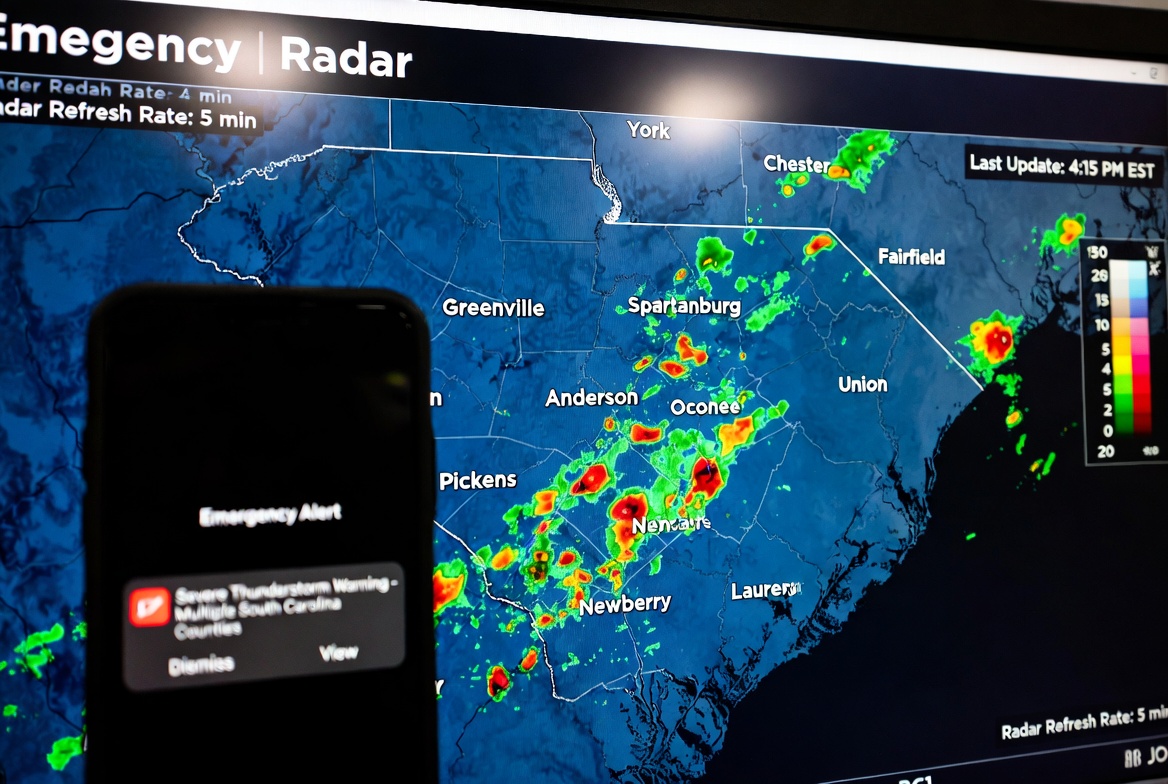
3. Severe Weather Conditions
Weather can change quickly during long-haul flights.
Pilots may divert an aircraft if the destination airport experiences:
- Heavy storms
- Strong crosswinds
- Poor visibility
- Lightning or turbulence
In these situations, air traffic control and airline operations teams work together to select the safest alternate airport.
4. Air Traffic or Airport Issues
Sometimes flights are diverted because of operational problems at the destination airport, such as:
- Runway closures
- Airport congestion
- Security incidents
- Unexpected ground delays
Diversion ensures that passengers are not stuck in the air for long periods waiting for clearance to land.
What Happens During a Flight Diversion
When United Flight UA967 diverted, the flight crew followed a standard safety procedure.
Here’s how the process typically works.
Pilot Decision
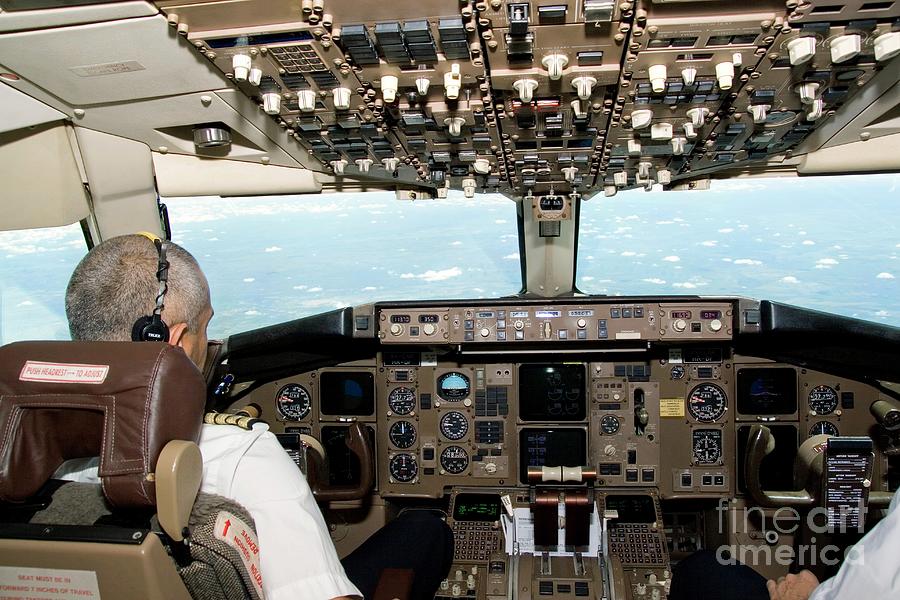
The captain and first officer evaluate the situation and determine whether a diversion is necessary.
They coordinate with:
- United Airlines operations center
- Air traffic control
- Dispatch teams
The final decision is always made with passenger safety as the top priority.
Passenger Announcement
Once the diversion is confirmed, the flight crew informs passengers over the cabin intercom.
The announcement usually explains:
- Why the plane is changing course
- Where the aircraft will land
- What passengers should expect next
Flight attendants then assist passengers and prepare the cabin for landing.
Landing at the Alternate Airport
After the aircraft lands at the alternate airport, several steps may occur depending on the reason for the diversion.
These may include:
- Medical teams boarding the aircraft
- Maintenance inspections
- Passenger rebooking
- Refueling before continuing the flight
Airlines try to minimize delays and ensure passengers reach their final destination as soon as possible.
Passenger Experience During the Diversion
For passengers onboard United Flight UA967, the diversion may have caused confusion or concern initially.
However, flight crews are trained to manage these situations calmly and professionally.
Passengers typically experience the following during a diversion:
- Updated announcements from the crew
- Changes to arrival times
- Assistance with connecting flights
- Support from airline staff at the alternate airport
While diversions can disrupt travel plans, they are designed to keep everyone safe.
How Airlines Choose the Diversion Airport
When deciding where to land after a diversion, airlines consider several important factors.
These include:
Distance
The nearest airport capable of handling the aircraft is often chosen.
Runway Length
Large international aircraft require long runways to land safely.
Airport Facilities
The airport must have proper services such as:
- Medical facilities
- Aircraft maintenance support
- Passenger handling capabilities
Weather Conditions
Pilots must ensure the alternate airport has safe weather conditions for landing.
Safety Measures in Modern Aviation
The diversion of United Flight UA967 highlights the strong safety systems used in modern aviation.
Commercial aviation remains one of the safest forms of transportation in the world because of strict safety protocols.
These include:
- Continuous aircraft monitoring systems
- Highly trained pilots
- Advanced weather tracking
- Regular aircraft inspections
- Real-time communication with airline operations teams
Diversions are part of these safety measures and demonstrate that airlines prioritize passenger well-being over schedules.
How Common Are Flight Diversions?
Although flight diversions often make headlines, they are actually relatively rare compared to the total number of flights that operate every day.
Globally, thousands of commercial flights take off daily, and only a small percentage are diverted.
Most diversions occur due to:
- Medical emergencies
- Weather issues
- Minor technical warnings
In many cases, passengers arrive at their final destination only a few hours later than originally scheduled.
What Passengers Should Do If Their Flight Is Diverted
If you ever find yourself on a flight that is diverted, there are several steps you can take to stay informed and reduce stress.
Stay Calm
Diversions are routine safety procedures, and airline crews are trained to handle them efficiently.
Listen to Crew Instructions
Follow announcements from the captain and flight attendants for updates.
Check Your Flight Status
Airline apps and airport displays usually update connecting flight information.
Contact Airline Support
If the diversion affects your travel plans, airline staff can assist with rebooking or accommodations.
United Airlines’ Approach to Passenger Safety
United Airlines operates thousands of flights every day across the world. The airline follows strict safety and operational guidelines to ensure every flight operates safely.
When incidents like United Flight UA967 diverted occur, the airline works closely with:
- Aviation authorities
- Airport operations teams
- Maintenance crews
- Passenger support staff
Their goal is to resolve the situation quickly while keeping passengers informed.
Final Thoughts on United Flight UA967 Diverted
The situation involving United Flight UA967 diverted demonstrates how airlines prioritize safety above all else. Whether caused by medical emergencies, technical alerts, weather disruptions, or operational issues, diversions are a normal part of aviation safety procedures.
For passengers, a diversion can be inconvenient, but it ensures that potential problems are addressed immediately rather than risking a longer journey.
Modern aviation systems, highly trained pilots, and advanced aircraft technology work together to keep travelers safe — even when unexpected changes occur during a flight.