
Delta Flight DL275 Diverted to LAX: Full Incident Overview
Air travel disruptions often capture national attention, especially when a long-haul international flight changes course unexpectedly. Recently, Delta Flight DL275 diverted to LAX, prompting questions from passengers, aviation analysts, and travelers across the United States.
The diversion quickly became a trending aviation topic online, as passengers shared updates and flight trackers showed the aircraft altering its scheduled route mid-journey. While diversions are not uncommon in commercial aviation, each incident highlights the complex decision-making process pilots and airlines must follow to ensure passenger safety.
This article explains what happened during the Delta flight DL275 diversion to Los Angeles International Airport (LAX), the possible reasons behind the decision, and what it means for travelers flying domestically and internationally.
What Is Delta Flight DL275?
Delta Flight DL275 is a regularly scheduled long-haul international service operated by Delta Air Lines. The flight typically connects major global destinations with the United States, carrying hundreds of passengers, including business travelers, tourists, and connecting domestic passengers.
Long-distance flights like DL275 operate under strict safety and operational protocols. Because these routes cross oceans and multiple airspaces, airlines prepare contingency plans for emergencies, mechanical concerns, weather disruptions, or medical situations.
When Delta flight DL275 diverted to LAX, aviation observers immediately recognized that the decision would have followed established safety procedures rather than convenience or scheduling concerns.
Why Was Delta Flight DL275 Diverted to LAX?
Although airlines sometimes release limited information immediately after an incident, diversions generally occur for several common reasons. Aviation experts point to several likely scenarios when analyzing why Delta flight DL275 diverted to LAX.
1. Medical Emergency Onboard
One of the most frequent causes of diversions is a passenger or crew medical emergency. On long international flights, access to immediate medical care is limited, so pilots may choose the nearest major airport capable of handling emergency services.
LAX is one of the best-equipped airports in the United States for medical response, making it a logical diversion point.
2. Mechanical or Technical Issue
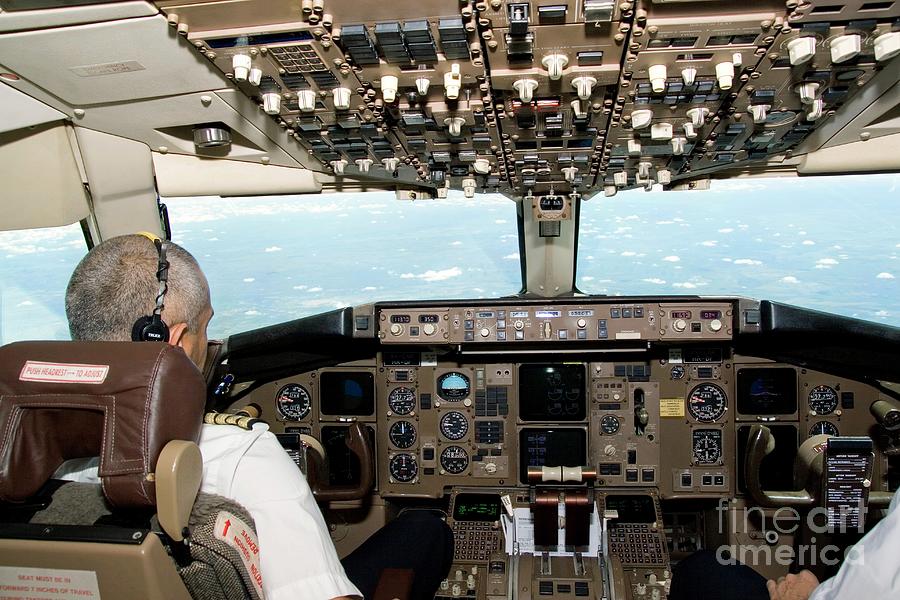
Aircraft systems constantly monitor engine performance, cabin pressure, and onboard electronics. Even minor irregularities can trigger precautionary landings.
In modern aviation, pilots follow a “safety-first” philosophy. Diverting early reduces risk and allows maintenance teams to inspect the aircraft thoroughly.
3. Weather Conditions
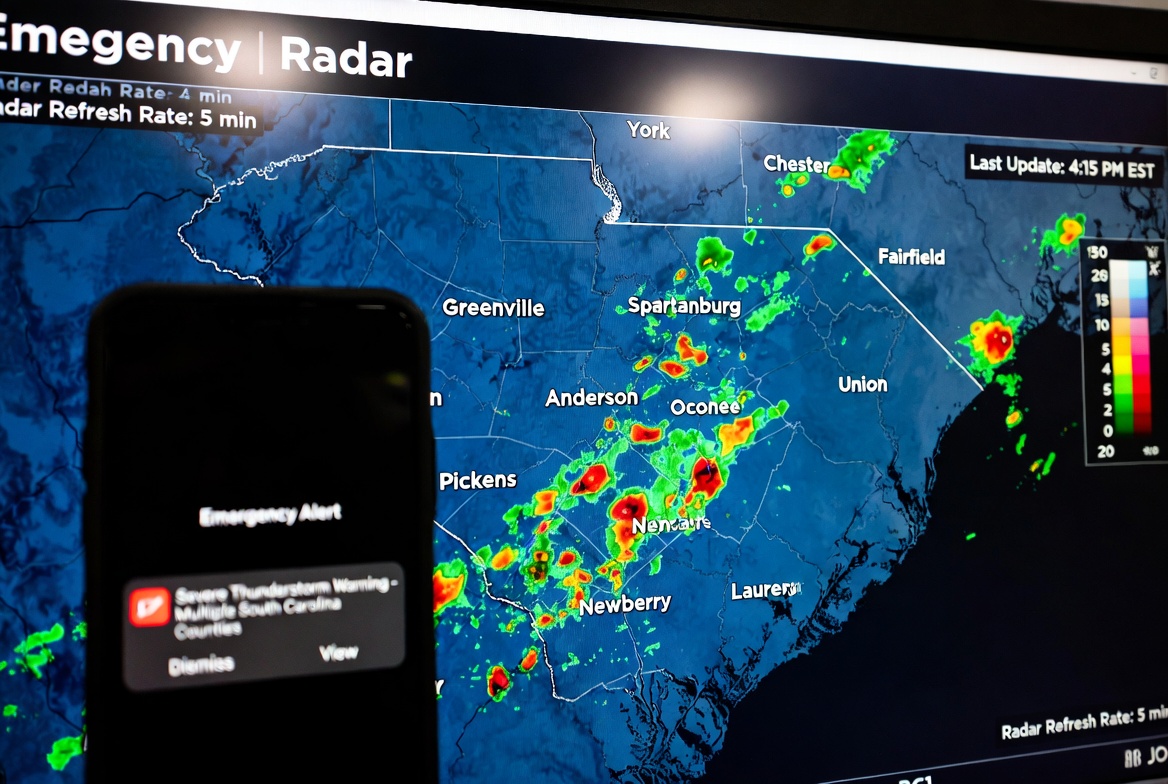
Weather remains one of the most unpredictable factors in aviation. Severe turbulence, storms, or poor visibility at the destination airport may force pilots to select an alternate airport.
Los Angeles International Airport often serves as a diversion hub due to favorable weather conditions and extensive runway capacity.
4. Operational or Security Concerns
Although rare, operational factors such as airspace congestion, airport closures, or security alerts can also result in diversions.
Regardless of the cause, the decision to divert is always made collaboratively between pilots, airline operations centers, and air traffic control authorities.
Why LAX Was Chosen as the Diversion Airport
When delta flight dl275 diverted lax, the choice of Los Angeles International Airport was strategic.
LAX is one of the busiest and most advanced aviation hubs in North America, offering:
- Multiple long runways capable of handling widebody aircraft
- 24/7 emergency response teams
- Extensive maintenance facilities
- Customs and immigration processing for international arrivals
- Strong airline operational support infrastructure
For international flights crossing the Pacific, LAX is frequently designated as a primary alternate airport.
Passenger Experience During a Flight Diversion
For travelers onboard, a diversion can feel confusing or stressful — especially when information is limited.
Passengers on diverted flights typically experience several stages:
Announcement from the Flight Crew
Pilots usually inform passengers once a diversion decision is finalized. The announcement explains the reason when possible and reassures travelers about safety.
Unexpected Landing Procedures
Cabin crew prepare passengers for landing just like a normal arrival, although emergency services may be visible on the runway as a precaution.
Ground Delays
After landing, passengers may remain onboard while authorities assess the situation, arrange medical assistance, or coordinate logistics.
Rebooking and Assistance
Airlines work to rebook passengers, provide accommodations if necessary, and arrange onward travel.
Delta Air Lines has established customer service protocols designed to minimize disruption after unexpected events.
Aviation Safety: Why Diversions Are Actually Good News
While headlines about diverted flights may sound alarming, aviation professionals emphasize that diversions are evidence that safety systems are working exactly as intended.
Commercial aviation in the United States operates under strict Federal Aviation Administration (FAA) regulations. Pilots are trained to act conservatively, meaning they prioritize safety even if the issue turns out to be minor.
Key safety principles include:
- Early risk mitigation
- Redundant aircraft systems
- Continuous monitoring
- Conservative decision-making
In many cases, diversions prevent small issues from becoming larger problems.
How Common Are Flight Diversions in the U.S.?
Flight diversions happen more frequently than many travelers realize. Thousands occur globally each year, though only a small percentage receive widespread media attention.
Common diversion statistics show:
- Medical emergencies account for a large portion of diversions.
- Mechanical inspections often reveal minor issues.
- Most diverted flights land safely without injuries.
Given the number of daily flights operating in U.S. airspace, diversions remain statistically rare events.
Impact on Delta Air Lines Operations
When Delta flight DL275 diverted to LAX, airline operations teams immediately activated contingency procedures.
Airlines must quickly manage:
- Aircraft inspections
- Crew duty time limits
- Passenger connections
- Gate availability
- Baggage logistics
Diversions can create ripple effects across airline networks, sometimes delaying additional flights as aircraft rotations change.
However, major carriers like Delta maintain backup aircraft and flexible scheduling systems to recover operations efficiently.
Social Media Reaction and Flight Tracking Interest
Modern flight tracking tools allow aviation enthusiasts and passengers to follow flights in real time. As soon as DL275 changed course, online trackers noticed the deviation.
Social media platforms amplified interest, with users sharing:
- Flight path screenshots
- Passenger updates
- Speculation about causes
This real-time transparency has transformed how aviation incidents are discussed publicly, though official confirmations often arrive later.
What Travelers Can Learn from the DL275 Diversion
The delta flight dl275 diverted lax incident offers several useful lessons for travelers:
Always Pack Essentials in Carry-On Bags
Unexpected delays can separate passengers from checked luggage temporarily. Keep medications, chargers, and documents accessible.
Expect Flexibility During International Travel
Long-haul flights involve complex logistics. Diversions, while uncommon, are part of aviation reality.
Trust Airline Safety Decisions
Pilots do not divert flights lightly. Any diversion indicates careful risk assessment rather than panic.
Monitor Airline Notifications
Airline apps provide faster updates than airport announcements during disruptions.
Delta’s Safety Reputation and Industry Standards
Delta Air Lines consistently ranks among the safest major airlines globally. U.S. carriers operate under rigorous maintenance schedules, pilot training standards, and regulatory oversight.
Every aircraft undergoes:
- Routine inspections
- Scheduled maintenance checks
- Continuous system monitoring
Diversions like DL275 demonstrate adherence to these safety standards rather than operational failure.
The Bigger Picture: Aviation Safety in 2026
Air travel remains one of the safest forms of transportation worldwide. Technological advancements continue improving safety outcomes through:
- Predictive aircraft maintenance
- Advanced cockpit analytics
- Enhanced weather forecasting
- Improved communication systems
As aviation technology evolves, diversions may even become more common as early-warning systems detect potential issues sooner.
Final Thoughts on Delta Flight DL275 Diverted to LAX
The incident involving delta flight dl275 diverted lax highlights the realities of modern aviation: safety decisions happen in real time, guided by data, training, and precaution.
While unexpected itinerary changes can inconvenience travelers, diversions ultimately reflect the aviation industry’s strongest priority — protecting passengers and crew.
For U.S. travelers, the key takeaway is simple: a diverted flight is not a sign of danger but proof that safety protocols are working exactly as designed.
As more details emerge, the event will likely join many similar aviation stories — a temporary disruption resolved through professional coordination and careful decision-making.